
RIO DE ONOR PEDDY-PAPER
QR CODE 1
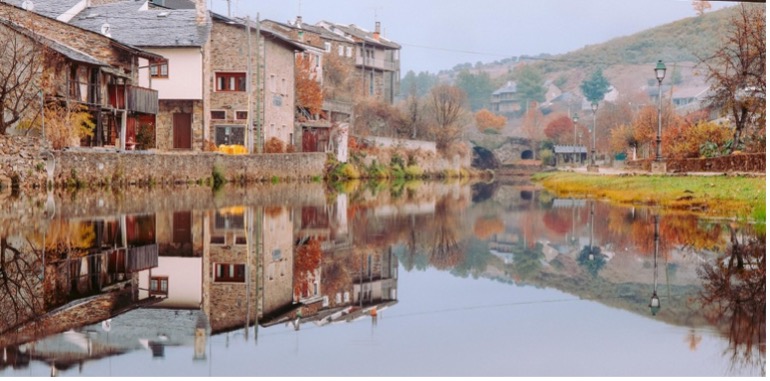
Rio de Onor
Rio de Onor is one of the most emblematic villages in Bragança and the Montesinho Natural Park, having been elected, in 2017, as one of the 7 Wonders of Portugal in the category of village in a protected area. Crossed by the border with Spain, on one side is Rio de Onor, on the other, Rihonor de Castilla, hence the saying “one village, two countries”!
QR CODE 2 · CASA DO TOURO
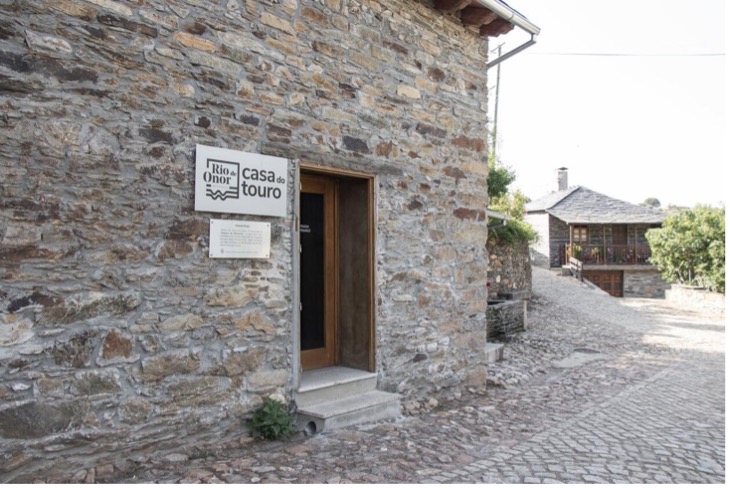
The Bull House
The Bull House, inaugurated at the end of 2018, is a museum space dedicated to the history and culture of Rio de Onor. The designation and installation of this space takes place in the building that originally housed the village bull, which was also, in distant times, communal.
Divided into two floors, the Bull House deals with themes such as communalism, the governance of the Council, the people’s bull, and the children’s festivals, which, using new technologies, transport us to these realities of yesteryear. Thus, it is possible for all visitors to learn all the details that distinguish the village of Rio de Onor and that make it unique at the national level.
On the upper floor, it is possible to contemplate the Justice Rod, a tradition rooted and preserved in the memory of the people, which can be seen in the rural administration, exercised by two stewards appointed by the Council, where it, always present, ensures compliance with the rules established in the village, serving to record the application of fines, often paid in measures of wine or olive oil. This rod was divided in half, symbolizing the two sides of the river. Each family has a notch, and each transgression is marked with a symbol on the respective family’s side. A transgression symbolized a trip to the council, which would determine the amount of wine to be paid as a fine.
QR CODE 3 · FORNO COMUNITÁRIO
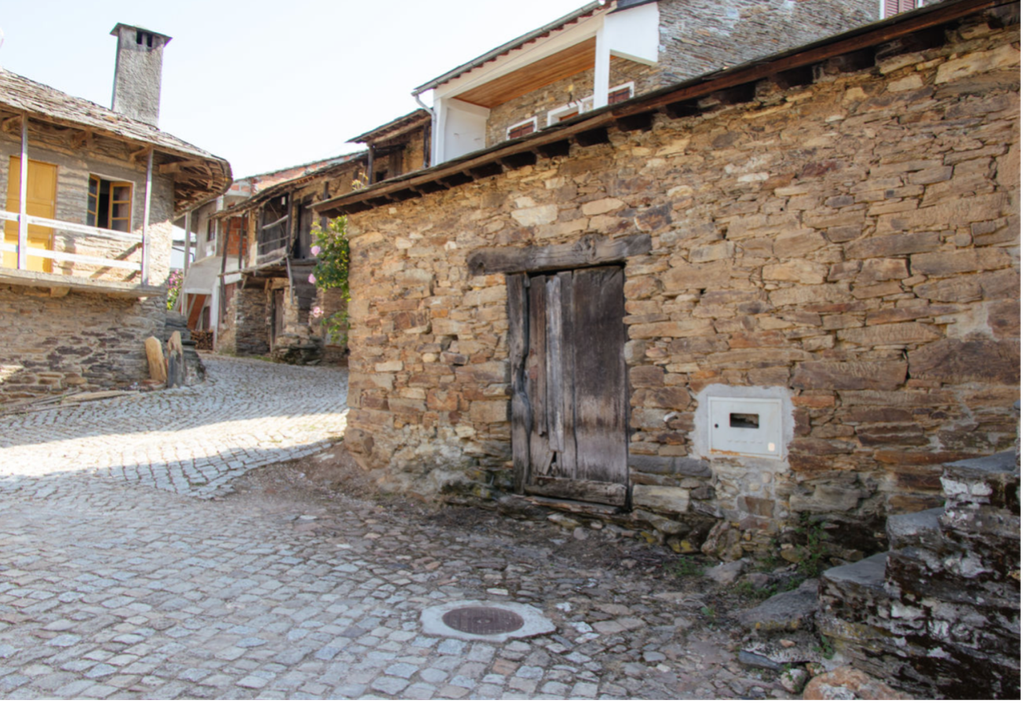
Communal Oven
The communal oven of Rio de Onor is one of the most emblematic examples of the traditional communal way of life in this village shared between Portugal and Spain. This oven is used jointly by all the inhabitants of Rio de Onor and Rihonor de Castilla to bake bread and share tasks. Beyond its practical function in breadmaking, it served as a central meeting point and place for mutual support for the neighborhood.
QR CODE 4 · FRONTEIRA
The Border
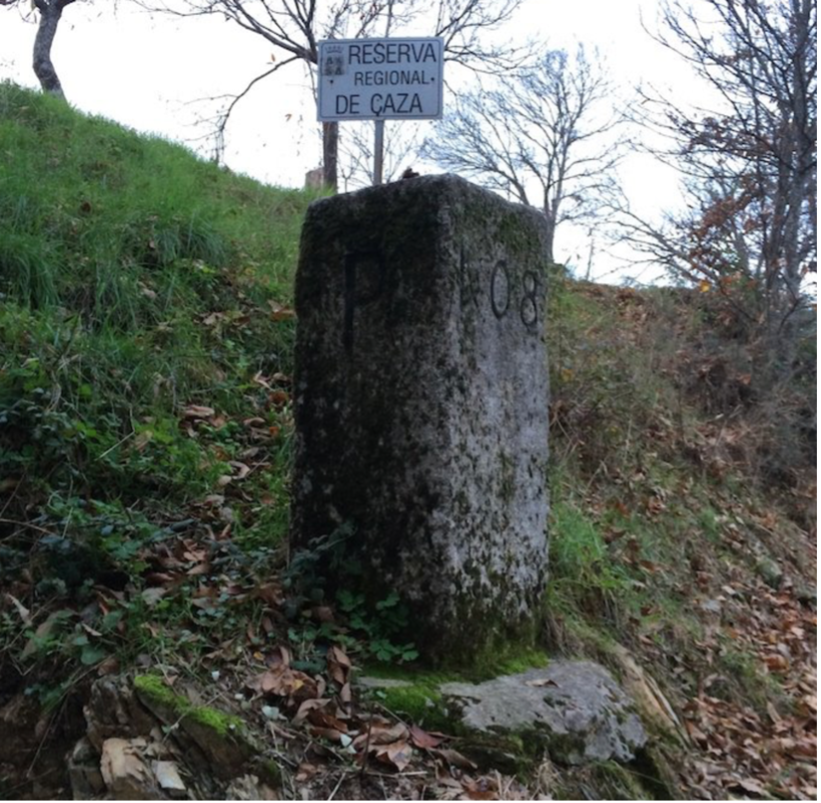
There are places where the border is just a line on the map. In Rio de Onor, that line physically divides a village into two countries, Portugal and Spain, but its inhabitants have never let it divide their lives. In this small village, Portuguese and Spaniards have shared ovens, farmland, and herds for centuries, in a model of community life unique in the Iberian Peninsula.
Rio de Onor is bisected by the international border between Portugal and Spain. The Spanish part is officially distinguished as Rihonor de Castilla, but the inhabitants of the two parts do not distinguish themselves as two different settlements; they call themselves “the people above” and “the people below.”
There have been several attempts to separate these villages. Franco and Salazar tried, and shortly after April 25th, the villages were separated by padlocks, but even that didn’t work. Even during COVID-19, the governments of Portugal and Spain recognized the unique characteristics of these two villages and allowed them to cross the border for two hours on Wednesdays and Saturdays (from 9 am to 11 am), so that farmers with land in the neighboring country could take care of them.
QR CODE 5 · MOINHO COMUNITÁRIO
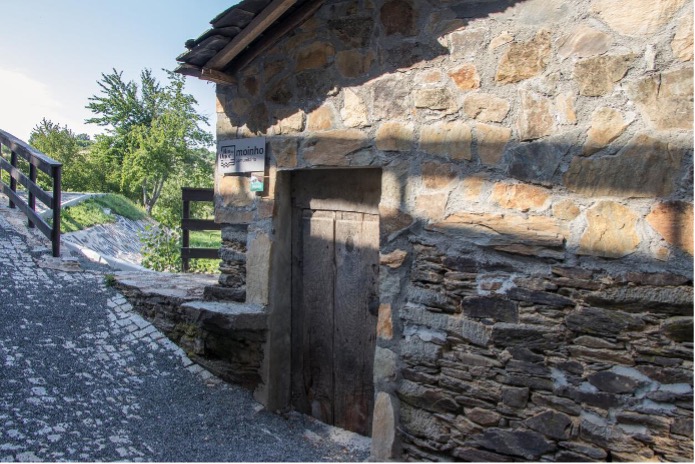
Community Mill
Community spirit is part of Rio de Onor’s identity, which, along with its own dialect, Rionorez, makes visiting this village a unique and enriching experience.
The community mill is a watermill with a millstone system. The building has recently been rehabilitated and, in the true application of the word community, can be used by all inhabitants.
QR CODE 6 · FORJA
Forge
The community forge of Rio de Onor is an old communal workshop where the community shared tools and crafted cutlery and metalwork. It was the space where the community blacksmith worked and where residents repaired agricultural implements and iron tools used in the village’s daily life. The forge, along with the communal oven and mills, forms part of the heritage that reflects the traditional and shared way of life of this village in the Trás-os-Montes region.
QR CODE 7 · IGREJA MATRIZ DE RIO DE ONOR
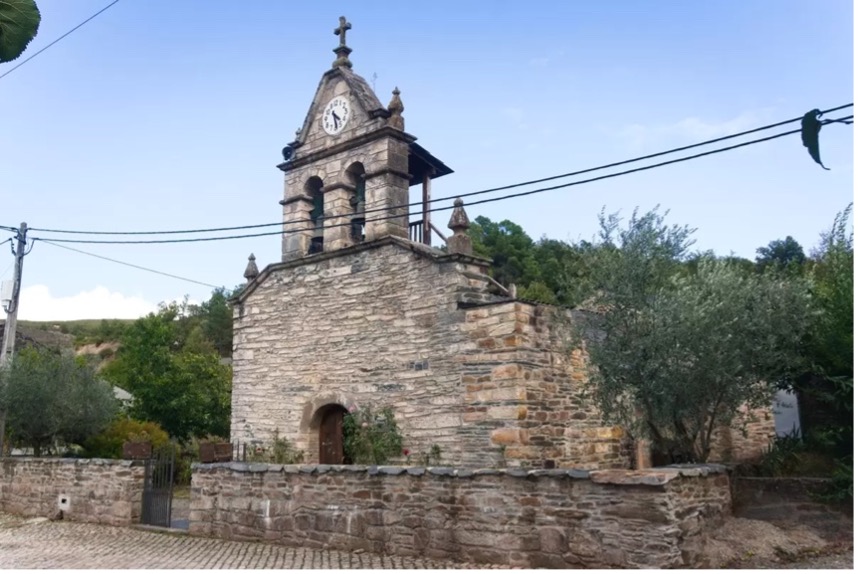
Parish Church of Rio de Onor
Located right at the entrance to the village, on the right bank of the river, the Parish Church of Rio de Onor, also known as the Church of Saint John the Baptist, reveals a traditional beauty. Although not situated on high ground, its bell tower allows it to be seen throughout the village.